03 · Case Study
Building Payment Trust Before the First Dollar
Verivend was a B2B payments startup preparing for its first funding round. As Lead Product Designer (one of two), I shaped the foundational invoicing experience that became the credibility test for investors. A system businesses would trust with their real money. The round closed.
The problem
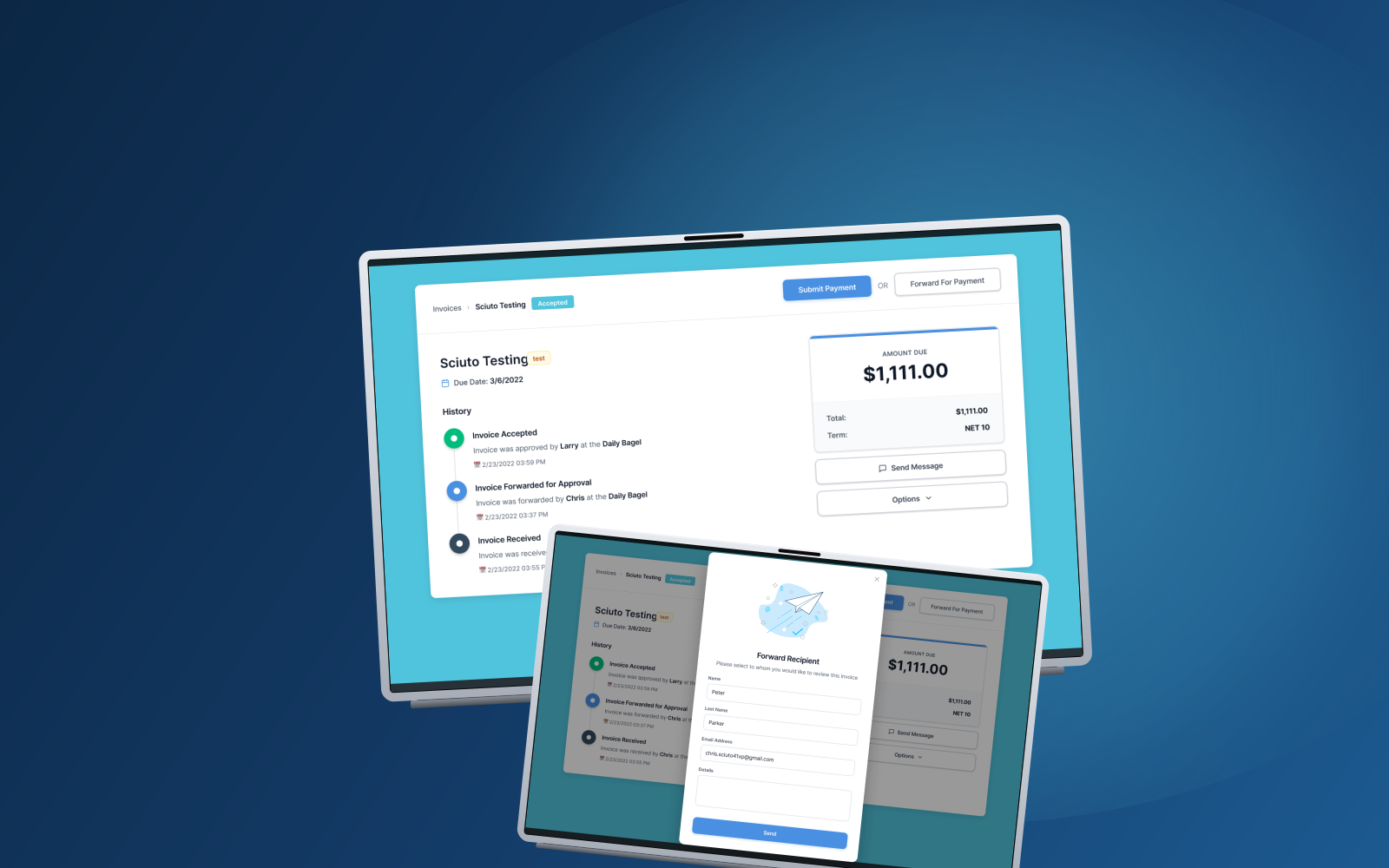
Verivend needed a credible invoicing core before it had paying customers. Without one, the company couldn’t demonstrate to investors that its product could support real B2B operations, where a single missed payment or unverifiable request can cost a customer relationship.
The pre-existing flow had the right components but none of the signals. Invoices looked unfamiliar, so recipients let them sit. Senders had no way to confirm whether anything had actually happened after they hit send. For a startup whose entire pitch was “trust us with B2B cash flow,” that was the gap.
Research & approach
- 01 Ran discovery interviews with small and mid-sized businesses to understand how they handle invoicing today, where they lose time or trust, and what information recipients need to feel safe paying.
- 02 Surveyed senders and approvers to quantify which details users consider required, what status updates they expect, and which security cues actually increase confidence. Trust became a checklist instead of a vibe.
- 03 Built personas around responsibility patterns. Daily invoice managers versus occasional senders on one side. Security-focused payers versus quick-approval approvers on the other. The design needed to serve the real distribution, not the average user.
- 04 Mapped the customer journey from deciding to request payment through completion. Named the uncertainty moments after sending and the friction of chasing updates across tools. Those were the gaps the product needed to close.
- 05 Designed the UI to feel calm and businesslike. Strong hierarchy puts money front and center. Generous spacing signals a real product, not a phishing form. Identity cues, consistent date and currency formatting, and a confirm step on every primary action that touches money.
The solution
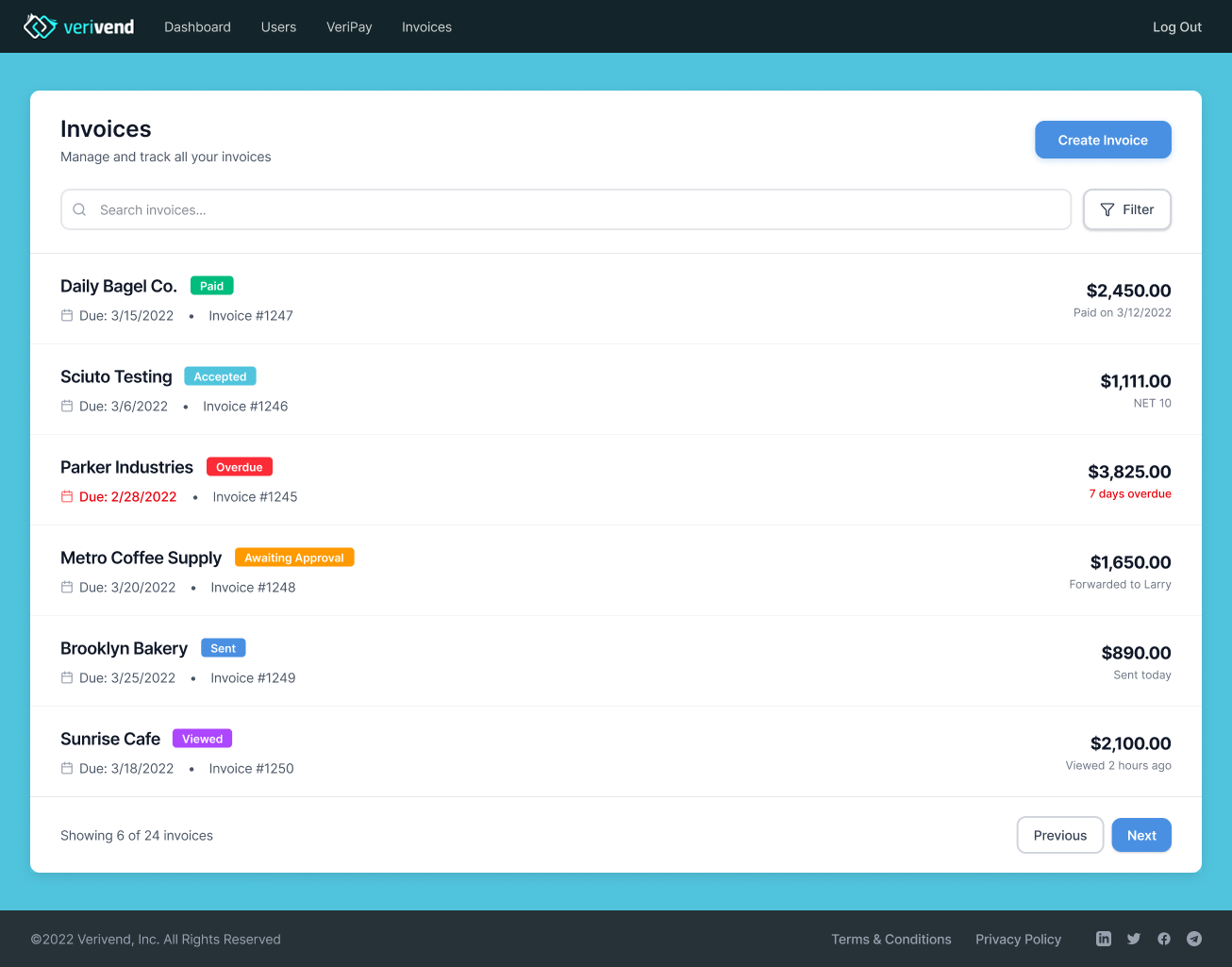
I designed the invoicing flow around the full lifecycle of a single invoice, from drafting through getting paid. Where competitor patterns helped users move faster I borrowed them, adapted to Verivend’s constraints and brand. The list view shows status on every row. The detail view carries the full history. Both surfaces tell users what just happened the moment it happens, which kills the back-channel email asking whether something went through.
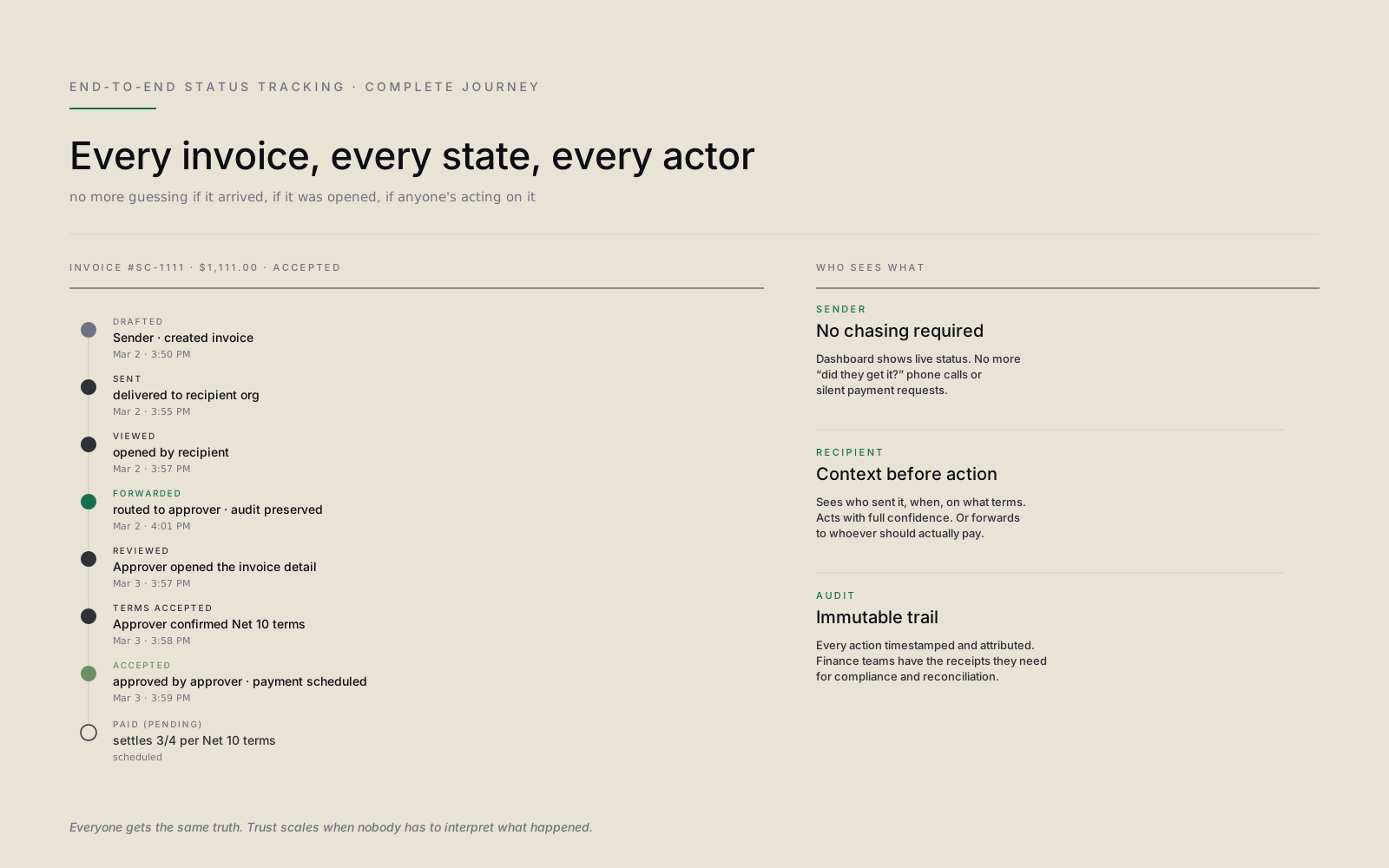
End-to-end status tracking
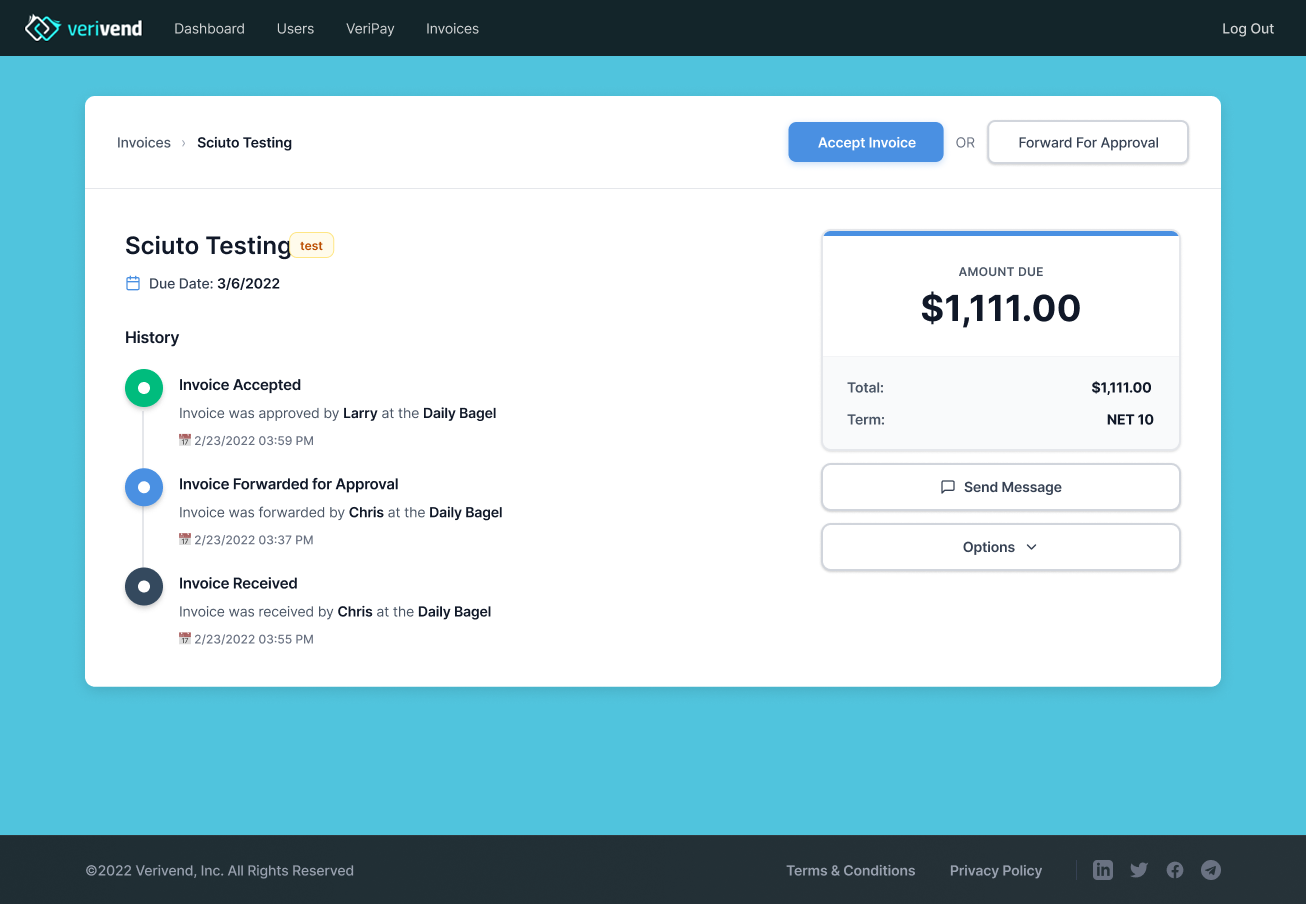
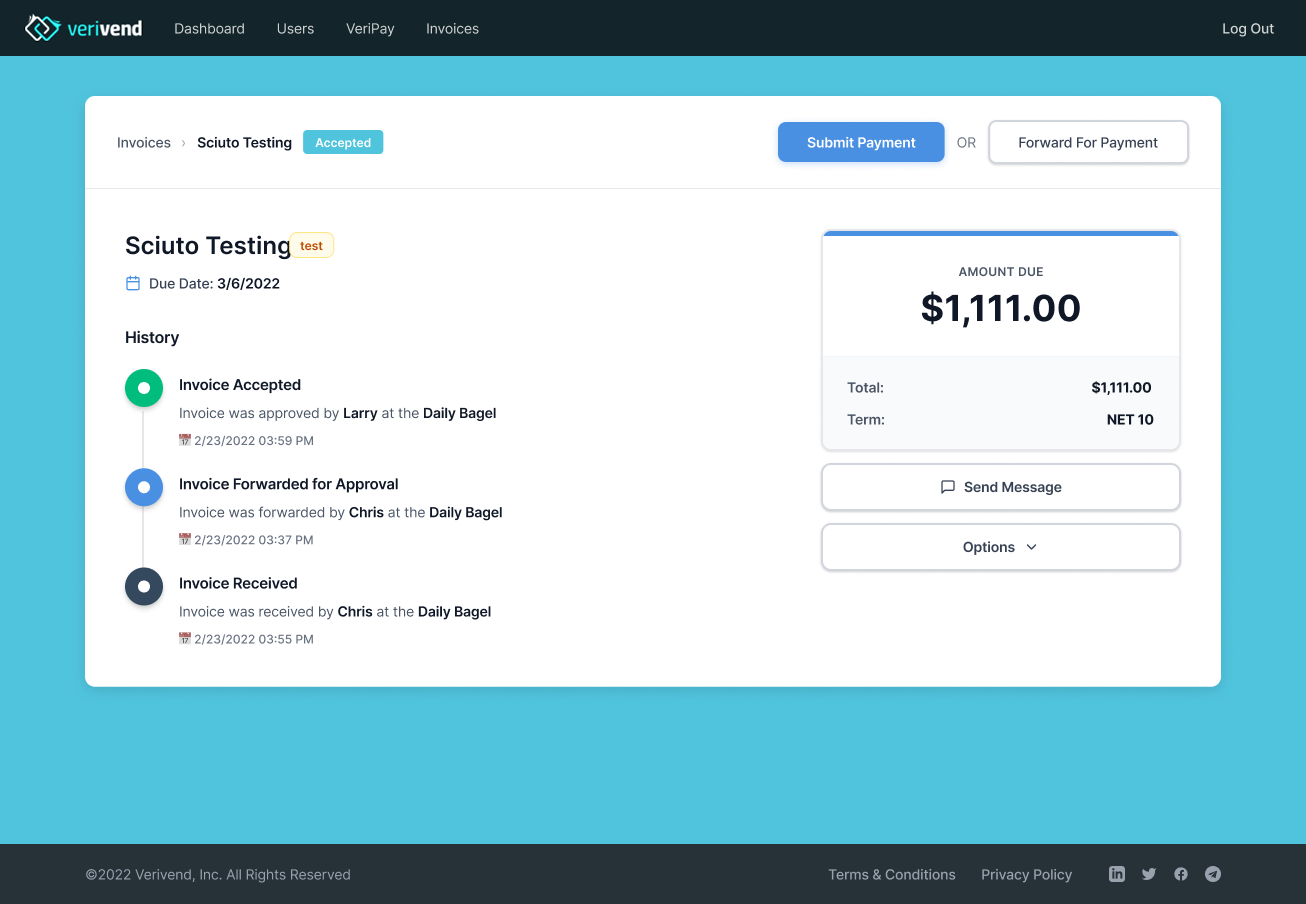
Teams can see exactly what happened to every invoice — whether it was sent, viewed, forwarded, or paid. The sender knows it landed. The recipient sees the state. The approver knows what to do next. The back-and-forth email chain that usually wraps every invoice goes away.
Legitimacy signals throughout
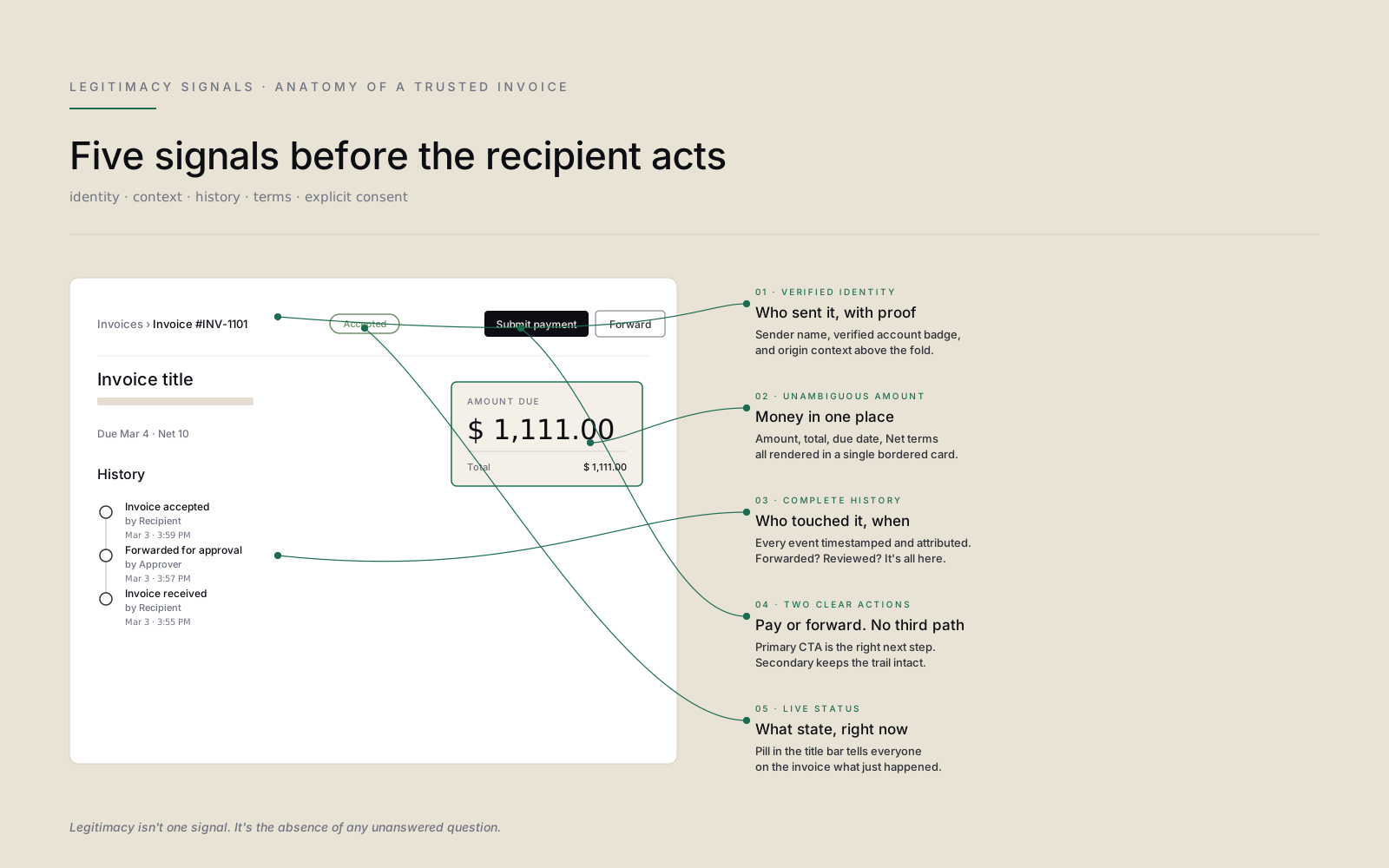
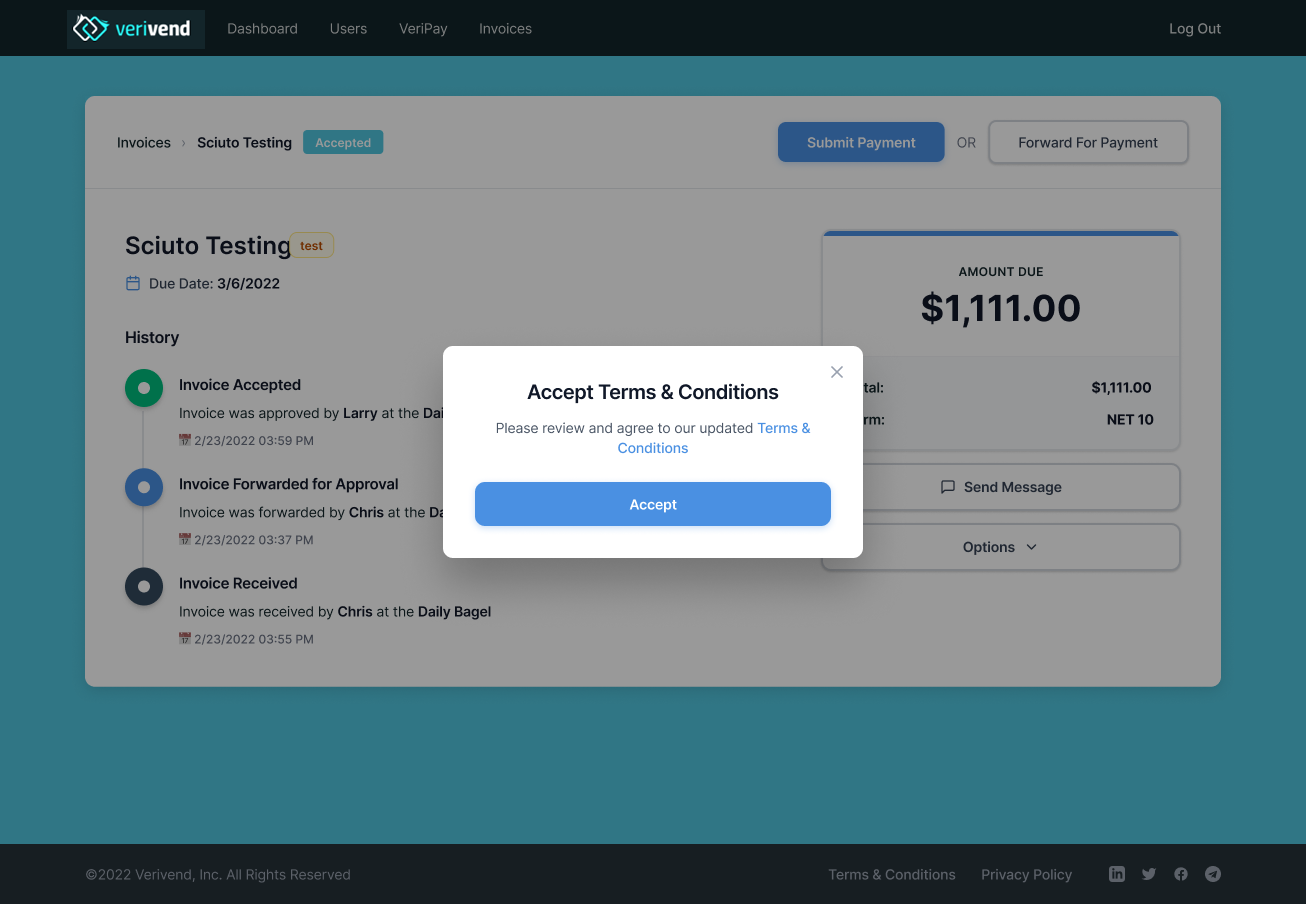
Every invoice request carries verified sender identity, the full amount and terms, and the history that got it here. A recipient who’s never seen Verivend before can confirm who’s asking, what they’re asking for, and why, without a follow-up call. That’s what makes someone pay on the first try.
Forwarding without breaking the trail
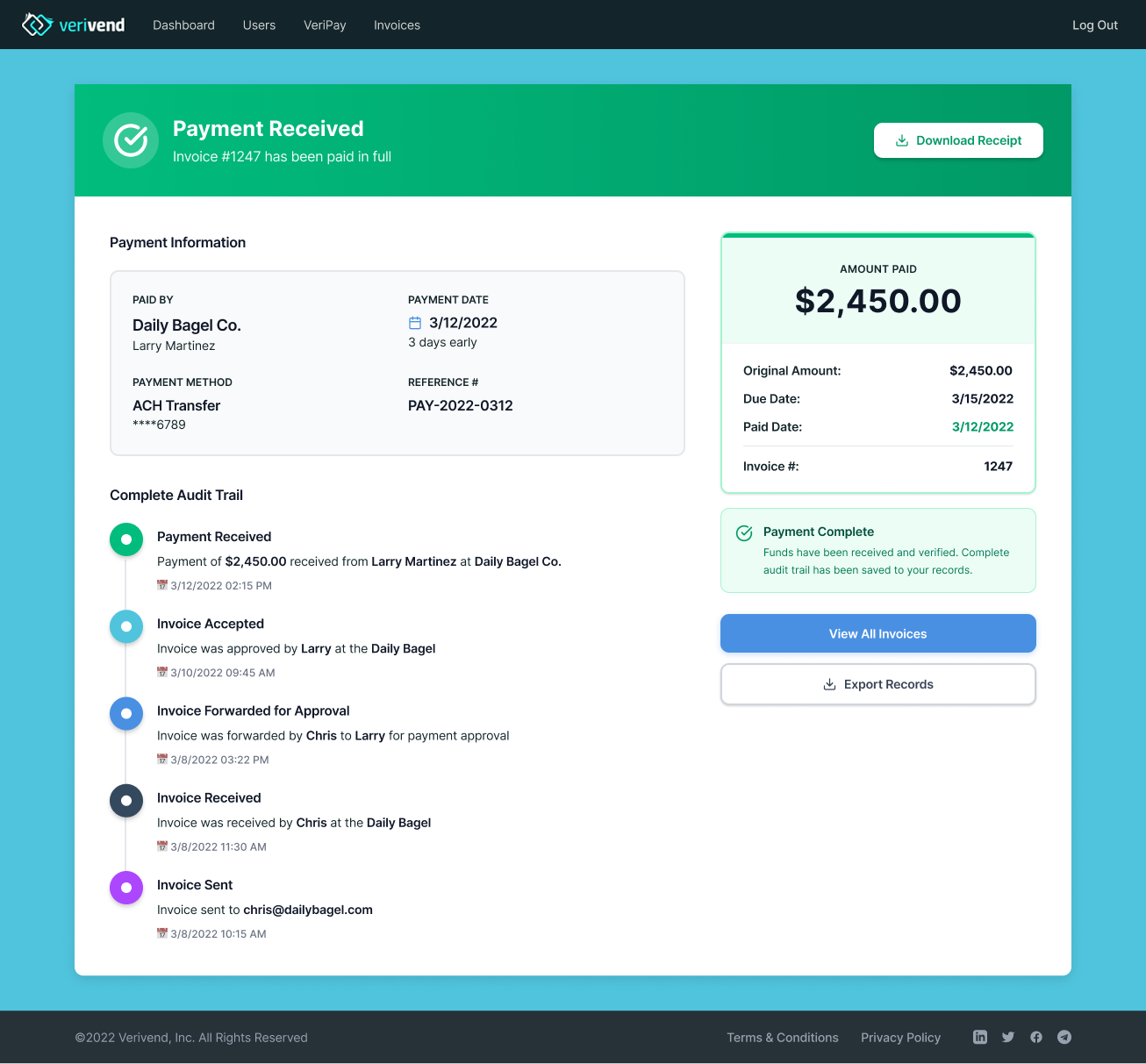
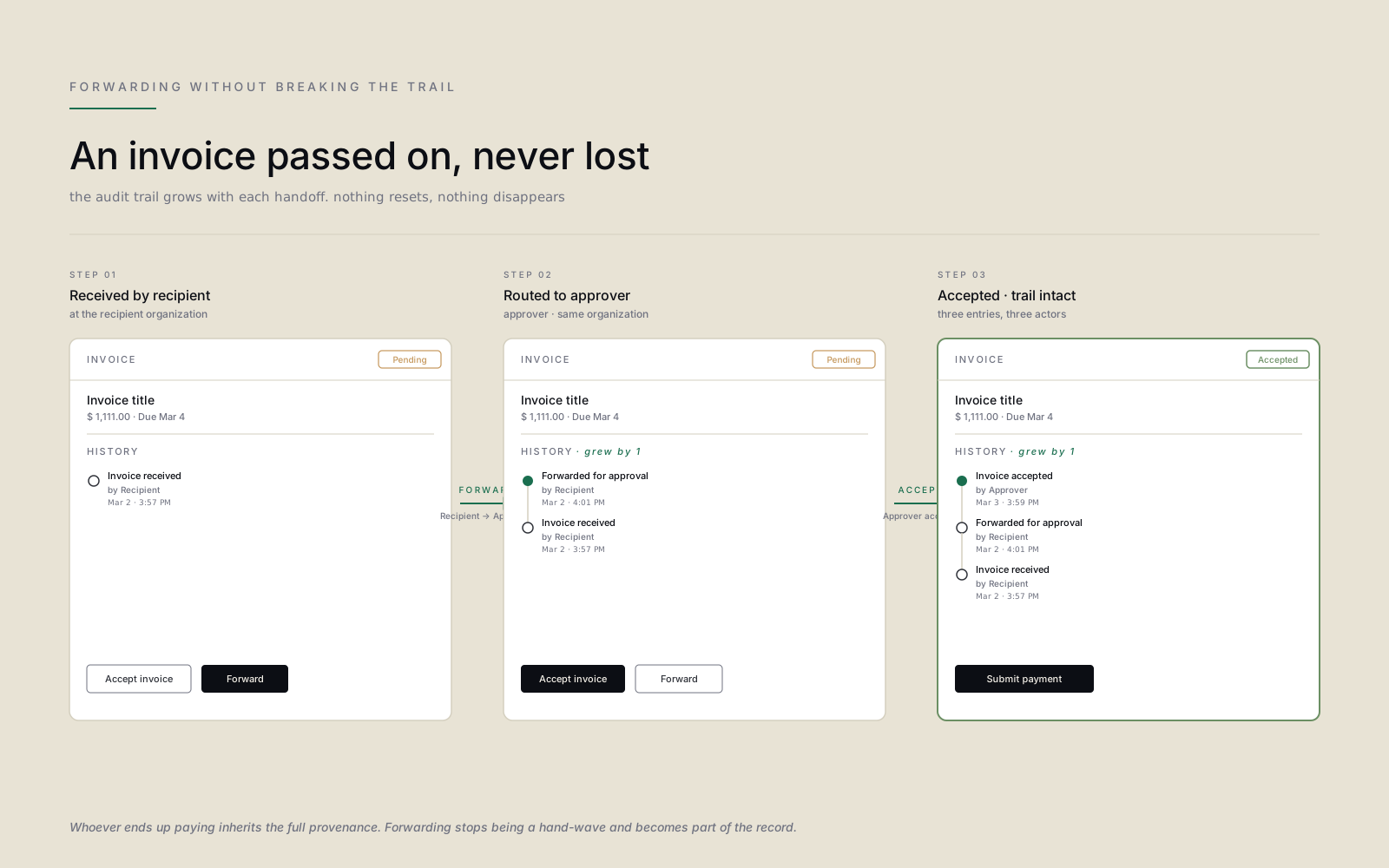
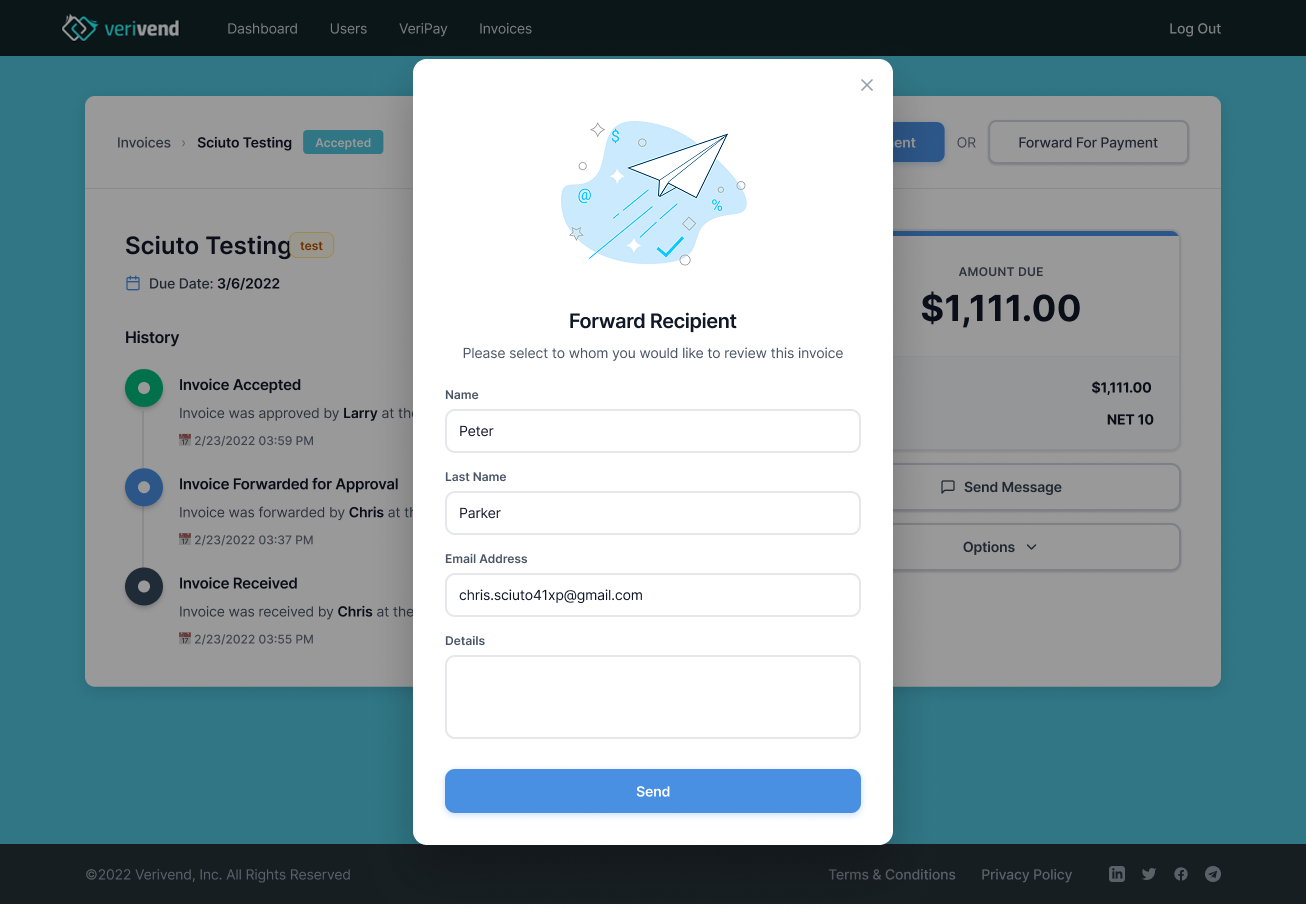
In B2B the first recipient usually isn’t the actual payer. The person who opens the invoice has to hand it to whoever holds the purse strings, and most tools treat that handoff as a fresh start. Verivend doesn’t. Forward an invoice and the audit trail comes with it, complete and intact.
The diagram below traces the handoff — received, forwarded, accepted. Each step adds one entry to the history. The original record is preserved through every transfer.
The invoicing experience gave us exactly what we needed to show investors: a real product that businesses would trust with their money.
Product Lead · Verivend
Team & leadership impact
- Led
- Lead Product Designer (one of two designers at the early stage)
- Partnered with
- Product, engineering, and the executive team preparing the funding round
The invoicing experience became the credibility test investors used to evaluate the product. It cleared the bar. The funding round closed. The patterns I established (status tracking, legitimacy signals, the forwarding model) became the template the product team uses today for adjacent surfaces.
What I’d do differently
At an early-stage startup the temptation is to design for the known happy path first and worry about edges later. Running it back, I’d push earlier on a few things.
The first-time recipient experience deserved more attention than we gave it. A payer who lands on a Verivend invoice from a sender they’ve never used the product with is the actual trust test, and we optimized for the repeat-user case instead.
I’d also have tested the invoice on mobile sooner. Real money decisions happen on phones, in between meetings, standing at a counter. Our hi-fis stayed desktop-centric for longer than they should have.
The funding round closed, and the invoice screen investors used as the credibility test is the flow Verivend customers run on today.